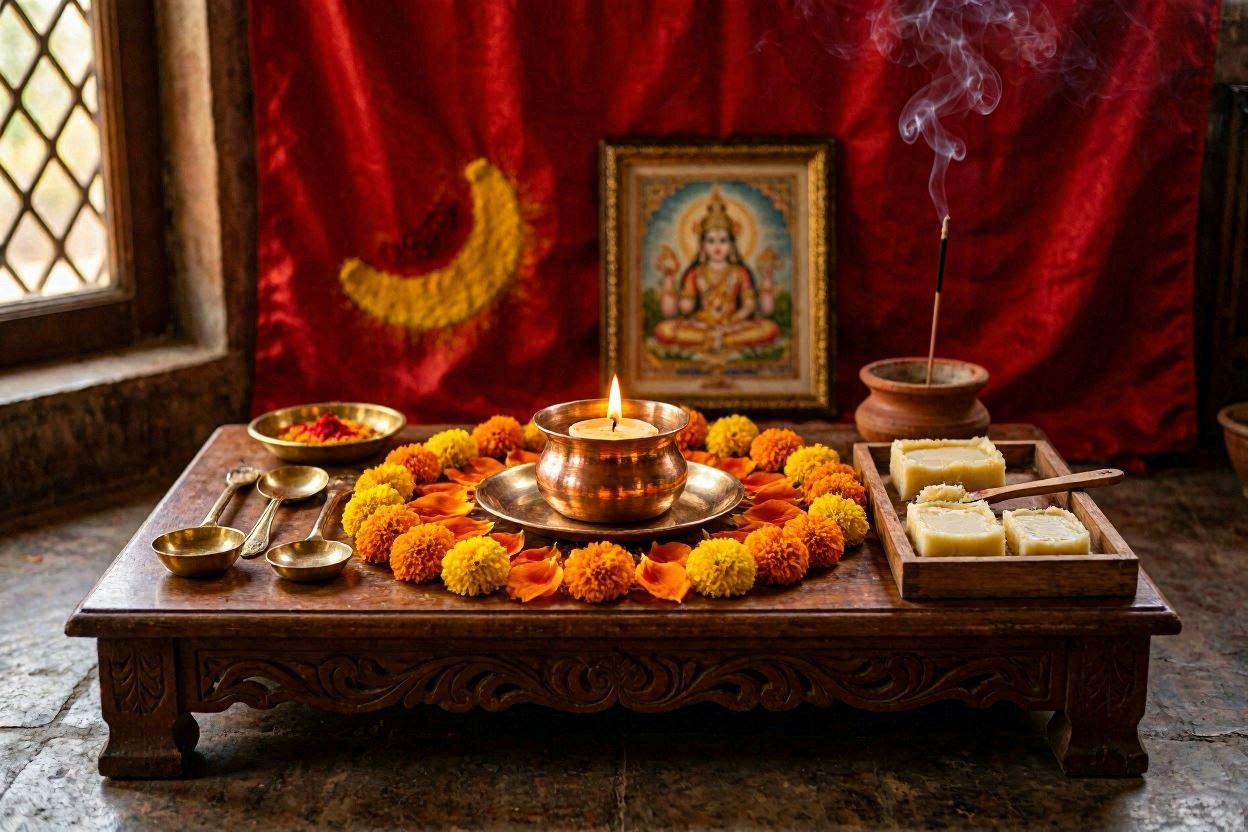
Hasta Ganthi — literally "the knot of hands" — is one of the most distinctive rituals in the Odia wedding tradition. After the Kanyadaan, the right hands of the bride and groom are bound together with a piece of sacred yellow cloth (sometimes turmeric-dyed), and the family pundit recites mantras invoking Lord Jagannath and the river deities of Odisha.
The cloth tie carries deep symbolism. It physically represents the spiritual binding of two souls — the Atma Ganthi (knot of souls) — and is meant to remain tied for a significant portion of the ceremony, sometimes until after the Saptapadi is complete. The couple performs the next several rituals with their hands still bound, signifying that from this moment they act as one.
In coastal Odisha and the Bhubaneswar-Cuttack region, the Hasta Ganthi often involves the couple's mothers presenting the cloth, blessing them, and then formally handing it to the pundit to perform the binding. In western Odisha (Sambalpur, Bargarh), the cloth used is often Sambalpuri handwoven fabric in red and yellow.
This ritual has no exact pan-Indian equivalent — the closest is the Granthi Bandhan in some North Indian traditions where the bride's saree and groom's stole are tied together, but Hasta Ganthi specifically binds hands. It is one of the rituals that gives Odia weddings their distinct cultural identity.